Nationwide CNC repair and maintenance
CNC Repair is an independent Midrand crew handling repair, maintenance and retrofits on production machines across South Africa. We work on routers, laser systems, plasma cutters, milling machines, plotters, wide-format printers and vinyl cutters, with fault-finding, spare parts and a service report on every job.
Field service for machines that cannot sit idle
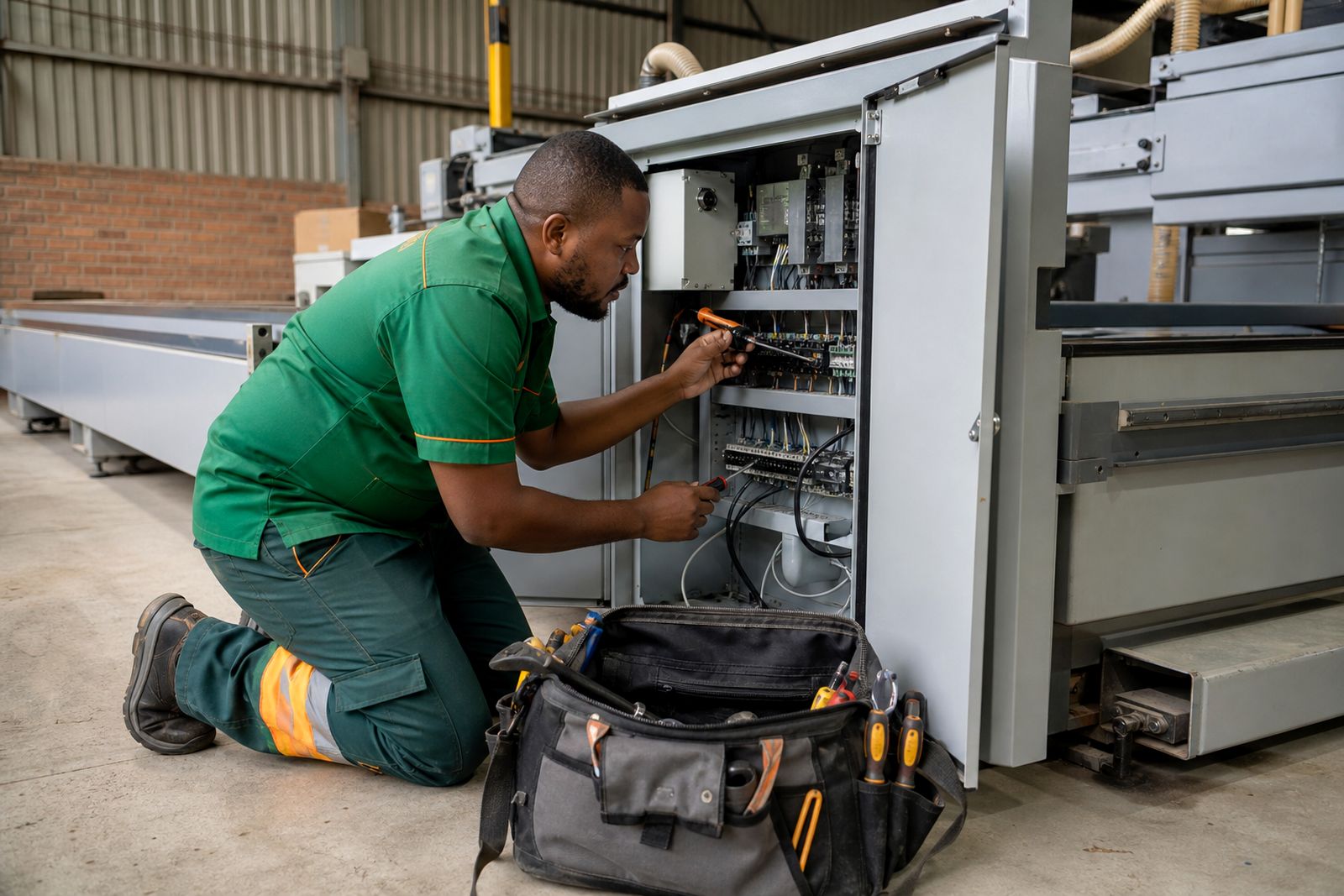
Most of the work we handle starts with lost production, poor cut quality, position drift, a drive fault, a spindle issue, a laser source problem or a control fault that stops the job halfway through. Our crew goes out to sites to diagnose, repair and maintain CNC equipment used in signage, fabrication, joinery, metalwork, plastics, packaging and general manufacturing. We are independent, so the brief is straightforward: get the machine checked properly, identify the fault chain, replace worn parts where needed and leave the site with a clear record of what was done.
We do not sell new machines. The work here is after-sales field support for equipment already on the floor, whether it is a single machine in a small shop or a mixed production line spread across a larger factory. Jobs range from emergency call-outs to planned contract visits and retrofit work where controls, drives, motion components or operating hardware need a more practical long-term fix.
- CNC routers for board cutting, nesting and engraving
- CO2 and fibre laser systems for cutting and marking
- Plasma tables used for steel, stainless and aluminium work
- Milling machines and other CNC machine tools
- Plotters, flatbed cutting tables and vinyl cutters
- Wide-format printers with motion, feed or control faults
Where to start
Repairs by machine type
Browse ten machine categories for on-site fault-finding, maintenance, retrofits and practical repair support across South Africa.
Read more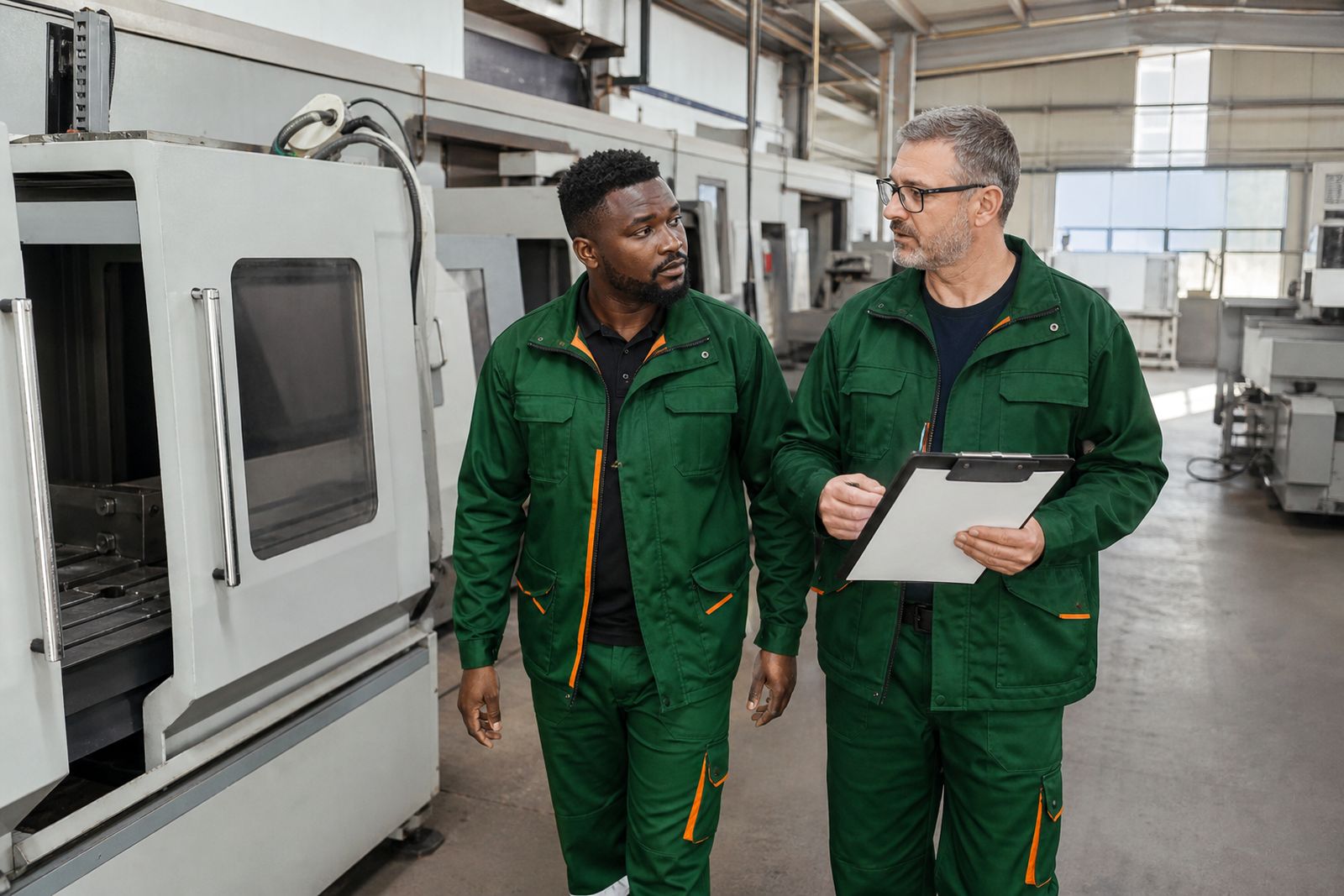
Service contracts
Planned maintenance contracts for CNC equipment, with scheduled visits, service records and field support nationwide.
Read more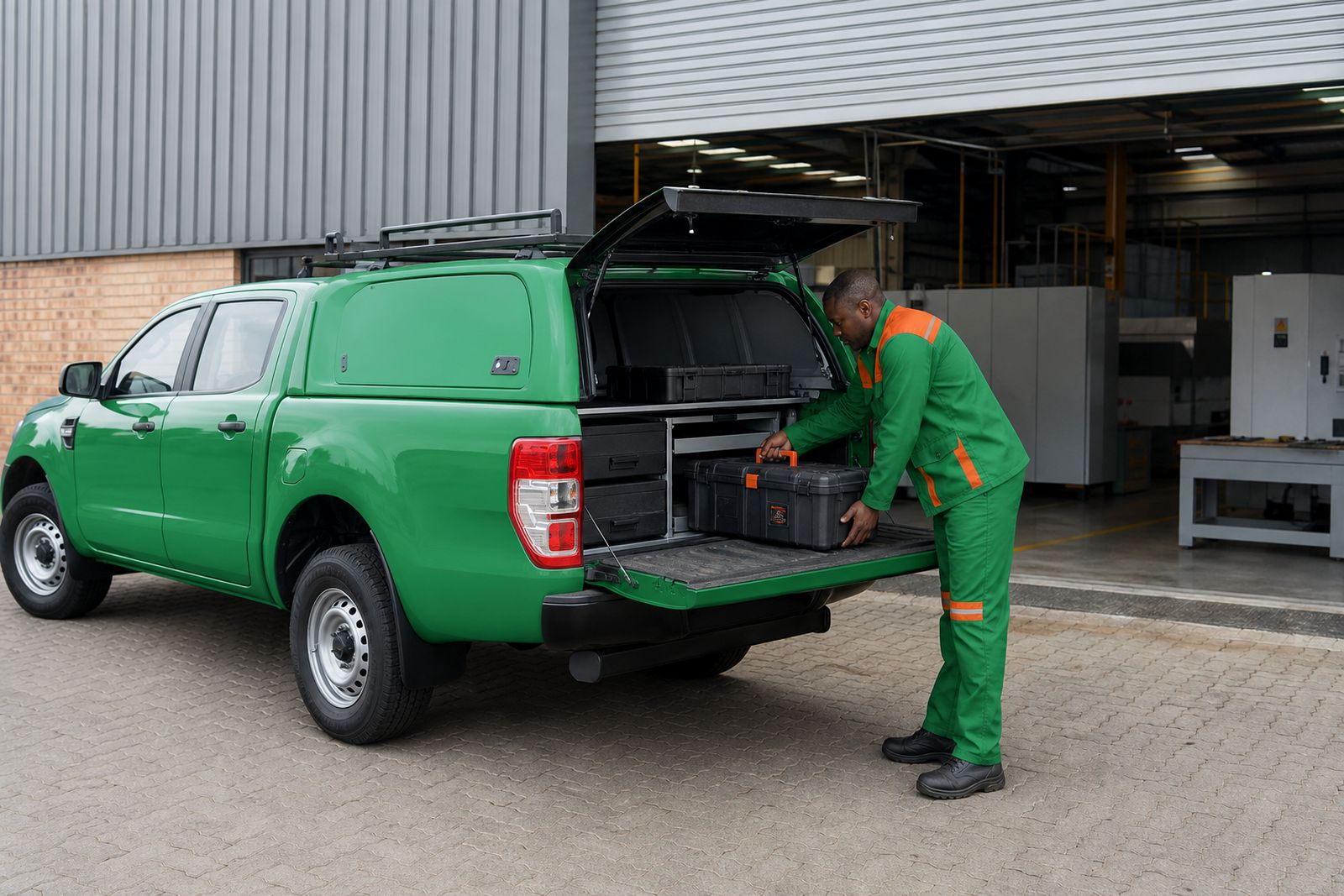
Call-outs
On-site CNC breakdown visits with clear fault-finding, practical repair work and a written report after attendance.
Read more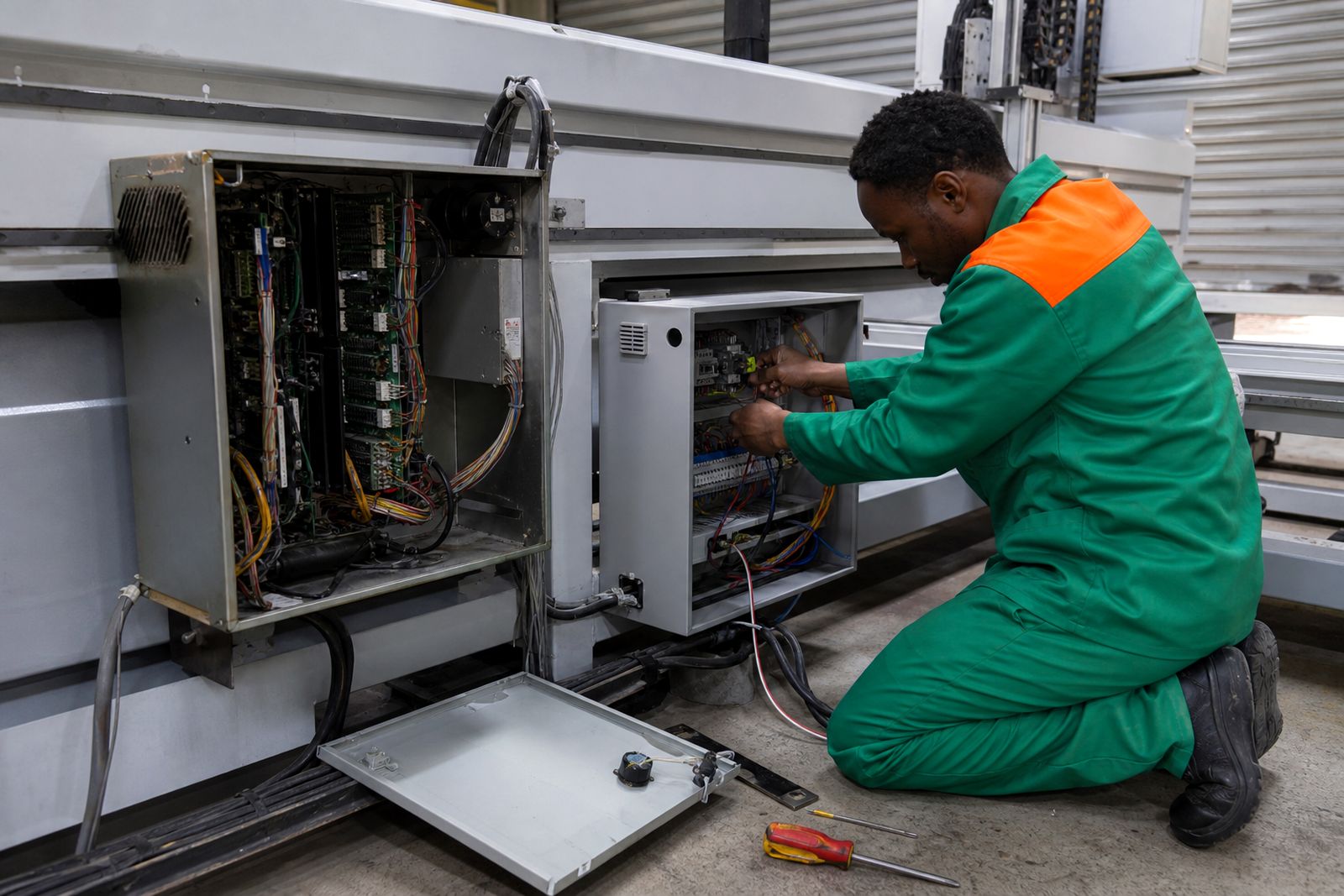
Retrofits and upgrades
Control, drive and spindle upgrades for machines with sound frames and usable mechanical structure.
Read more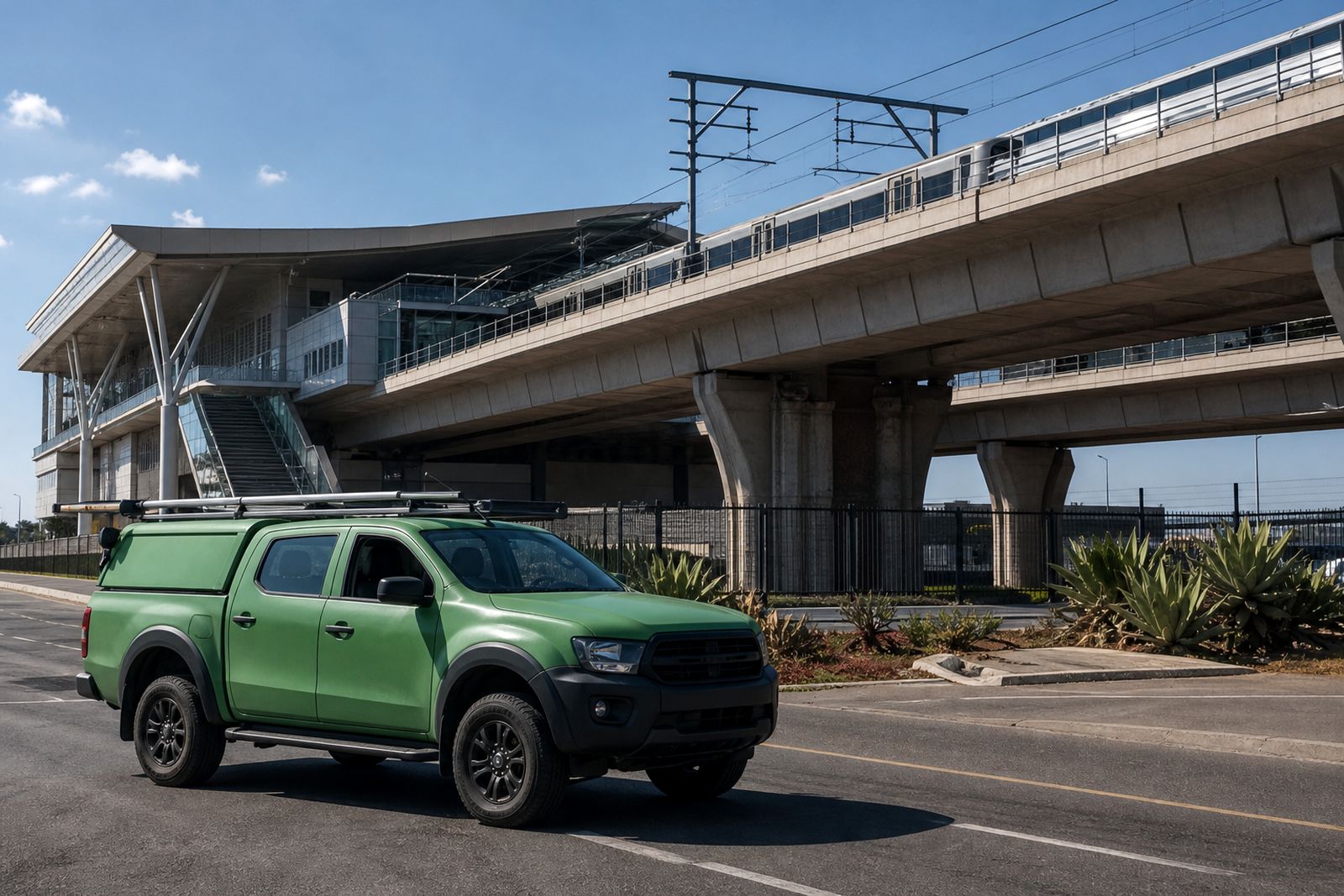
Where we work
Midrand base, national field coverage, and travel costing set out in clear terms.
Read more
Machines we cover, and the faults we see most often
Different machine types fail in different ways, but the pattern is familiar: electrical faults, motion faults, mechanical wear and control problems feeding into each other. On routers that can mean spindle overheating, vacuum-related cut movement, axis following errors or a crash that knocks alignment out. On laser systems we often find beam path issues, chiller faults, optical contamination, gas flow faults, source alarms or poor piercing. Plasma tables regularly arrive with torch height errors, consumable wear patterns, earth problems and rough edge quality caused by settings drifting from what the material actually needs.
Printing and plotting equipment adds another layer. Encoder readings, carriage travel, feed motors, pinch assemblies, capping stations and control boards all affect output quality, especially in a coastal shop where humidity works its way into connectors and sensor points. Milling equipment tends to show backlash, lubrication failures, limit issues, servo alarms and spindle faults that worsen slowly until accuracy drops below what the job needs. We check the full fault chain because the first alarm on the screen is often the symptom.
- Axis drives, motors, encoders and home switches
- Spindles, bearings, cooling circuits and VFD faults
- Laser optics, chillers, power sections and extraction interlocks
- Plasma torch height control, earthing and table motion
- Control cabinets, wiring faults, contactors and power quality issues
- Pneumatics, lubrication points and worn transmission components
How a normal CNC Repair job moves on site
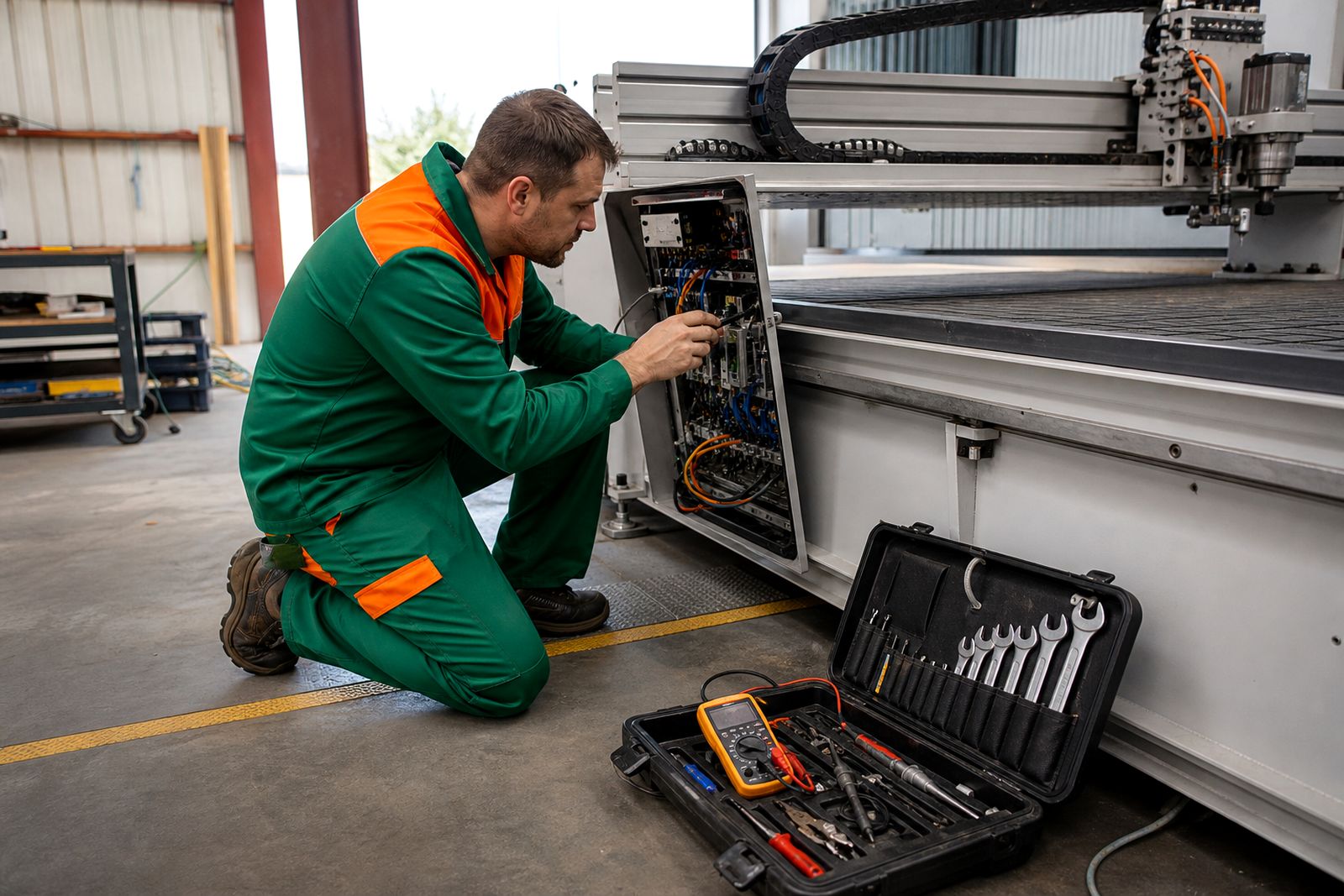
When a machine is booked in through our contact form, we start with the machine type, the fault symptoms, the control platform if known, the province, and whether the machine is fully stopped or still running with reduced accuracy. That helps us plan the call-out with the right test gear and likely parts. Once on site the technician works from the symptom back to the cause, checking alarms, power input, control status, motion behaviour, interlocks, mechanical condition and any signs of heat, contamination or unstable voltage.
If parts are needed we note exactly what failed and what still needs inspection once the replacement is fitted. Where a machine has multiple faults, the report separates the production-stopping issue from maintenance items that should be booked for the next visit. Clients usually need that distinction for internal planning, especially when a workshop is deciding whether to stop another line to free operators or material handling.
Every job includes a written service report. That record matters more than many shops realise because repeat faults are easier to track when there is a proper trail of alarms, component changes, test results and setup notes from the previous visit. A good report also helps if more than one machine on site shares the same control hardware or motion layout, which happens often in busy plants.
Planned maintenance that keeps drift and wear in check
Breakdowns do not always arrive as a single dramatic stop. A lot of expensive downtime starts as small drift, extra noise, rough travel, weak vacuum hold, unstable cut edge or print quality that gets blamed on material. Planned maintenance is where those early warnings are picked up before they become a dead machine in the middle of a production week. Our service contracts are built around machine condition, duty cycle and the kind of environment the equipment works in.
A wood router cutting dusty board needs different attention from a fibre laser in a sheet-metal shop or a wide-format printer in a coastal branch. Fine dust, metal fines, coolant mist, humidity and unstable power all leave their own marks on moving parts and control cabinets. Inland sites often deal with dust loading and heat. Coastal sites can have more corrosion and connector trouble, so the service plan needs to reflect real operating conditions and the maintenance interval.
- Inspection of drive systems, belts, couplings and rails
- Cleaning of cabinets, filters, sensors and optical areas where applicable
- Checks on lubrication, cooling and pneumatic condition
- Verification of alignment, travel, home position and limit behaviour
- Notes on wear parts, risk items and pending failures
From Midrand to every province
Our base is Midrand, which keeps Gauteng work close to hand, but the field crew covers the whole country. That includes regular travel into KwaZulu-Natal, the Western Cape, the Eastern Cape and the Free State, along with the remaining provinces where specialist machine support is often harder to source locally. Some sites need a once-off call-out for a stopped machine. Others need recurring service visits because they are running long shifts and cannot afford repeated downtime on the same table or gantry.
Travel planning matters on technical work. A plasma table outside a major metro, a router in a factory park, and a printer in a shopping-centre production room each call for different access arrangements and spares planning. We handle both single-site and multi-branch support, and the reporting stays tied to each individual machine so there is a useful maintenance trail rather than a pile of vague visit notes.
Power quality, shutdowns and retrofit decisions
One issue that keeps showing up on CNC equipment in South Africa is poor power quality. Sudden drops, unstable supply and repeated shutdowns can trip drives, damage power sections and leave control hardware behaving inconsistently. On some sites the machine itself is blamed when the real problem started upstream at distribution level or in the way the equipment is being restarted after an outage. That is why we check incoming supply conditions, protection components and cabinet health as part of fault-finding where the symptoms point that way.
There are also cases where repair alone is no longer the sensible route. If a machine has obsolete control hardware, repeated board failures, unsupported drives or chronic instability from old wiring and patch repairs, a retrofit can cost less over time than repeated breakdown visits. We handle upgrades where the goal is to keep a mechanically sound machine working with more serviceable control and motion hardware. That can be the practical option when the frame, table and core structure still have years of use left in them, but the electrics have become a weekly problem.
If your site needs independent support on routers, lasers, plasma systems, milling machines, plotters or printers, use our contact form with the machine type, town, fault symptoms and any alarms shown on the control. That gives the technician a clean starting point and saves time once the visit is booked.
Questions we get asked
Do you sell new CNC machines?
CNC Repair is an independent repair and maintenance crew. We work on machines already in service and do not sell new equipment.
Which areas do you cover?
We are based in Midrand and send field technicians across Gauteng, KwaZulu-Natal, the Western Cape, the Eastern Cape, the Free State and every other province.
What should I include when logging a repair?
Send the machine type, your town, the fault symptoms, any alarm messages, and whether the machine is fully stopped or still producing with a quality or accuracy problem.
Tell us about the job
Send sizes, materials and where you are through our contact form, and we will come back with the practical options.
Open the contact form