Call-outs
When a CNC machine stops, the call-out needs to move from fault details to practical work on site without confusion. Our Midrand-based field crew handles breakdown visits nationwide, with fault-finding, parts assessment and a written service report on every job.
What a call-out includes
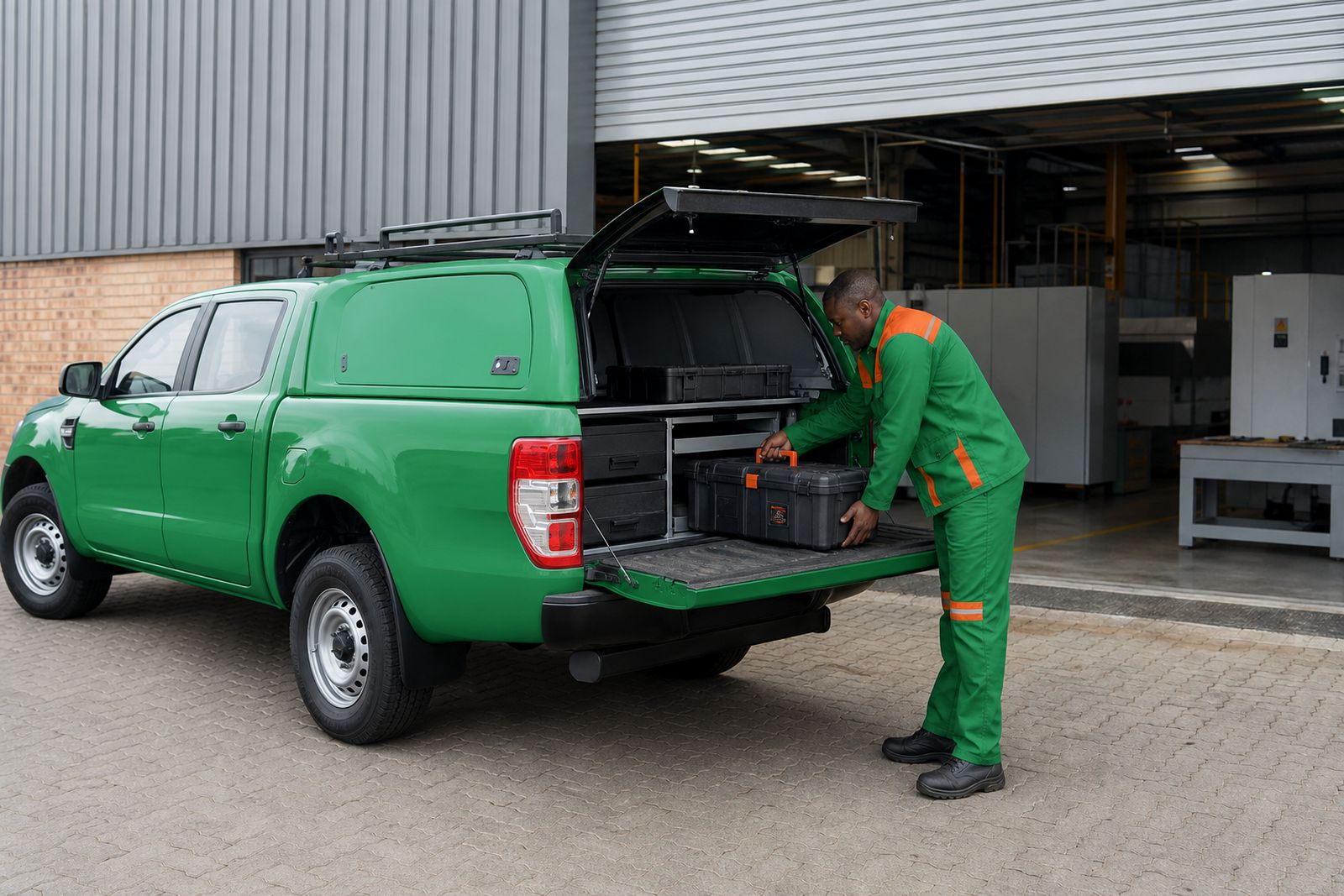
A CNC Repair call-out is an on-site repair visit for a machine that has stopped, is producing poor output, or is showing intermittent electrical, motion, control or process faults. We work as an independent service crew and repair many makes across South Africa. The job starts with the fault as you are seeing it on the floor. We focus on fault-finding and repair work on the machine in front of us. We do not sell new machines.
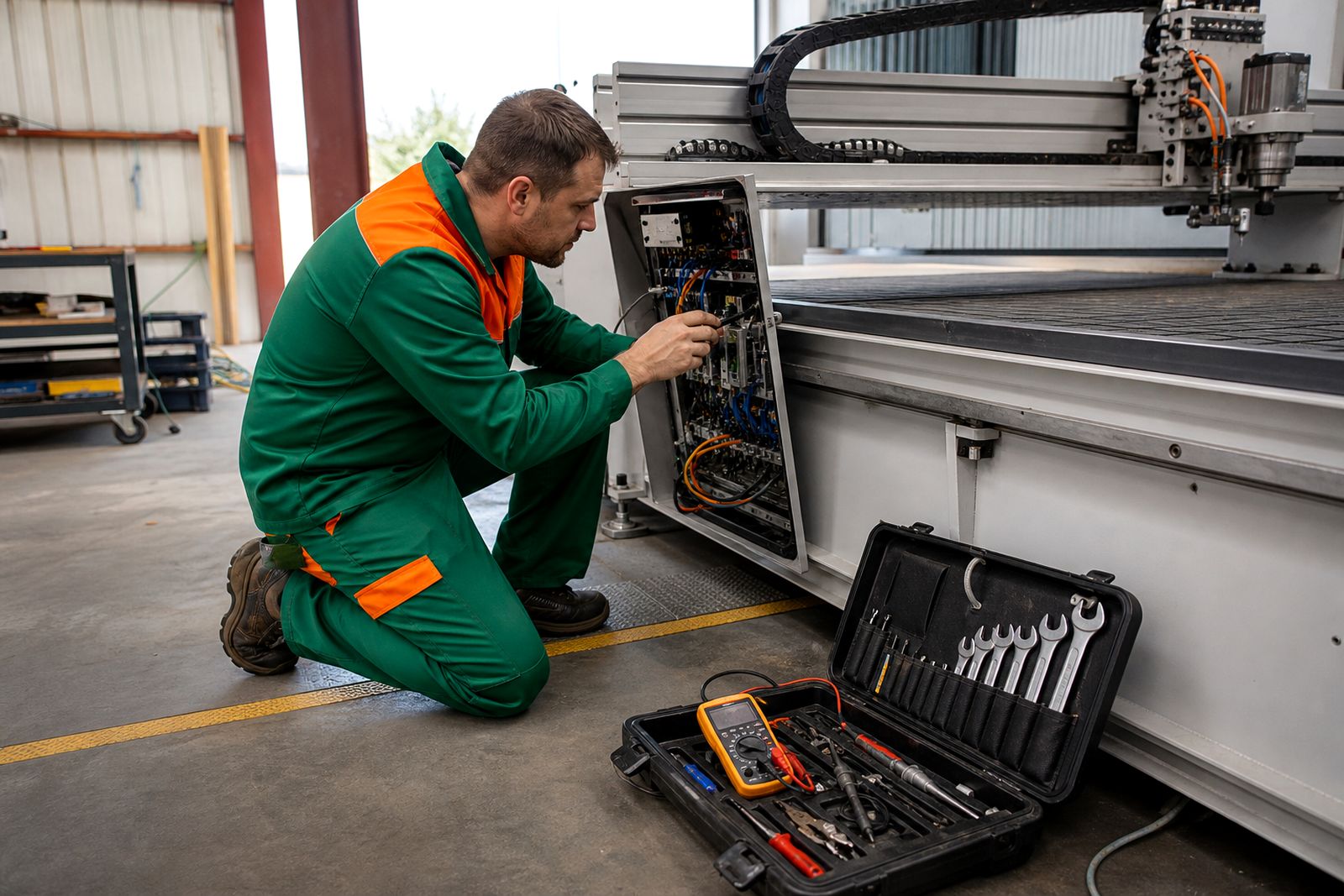
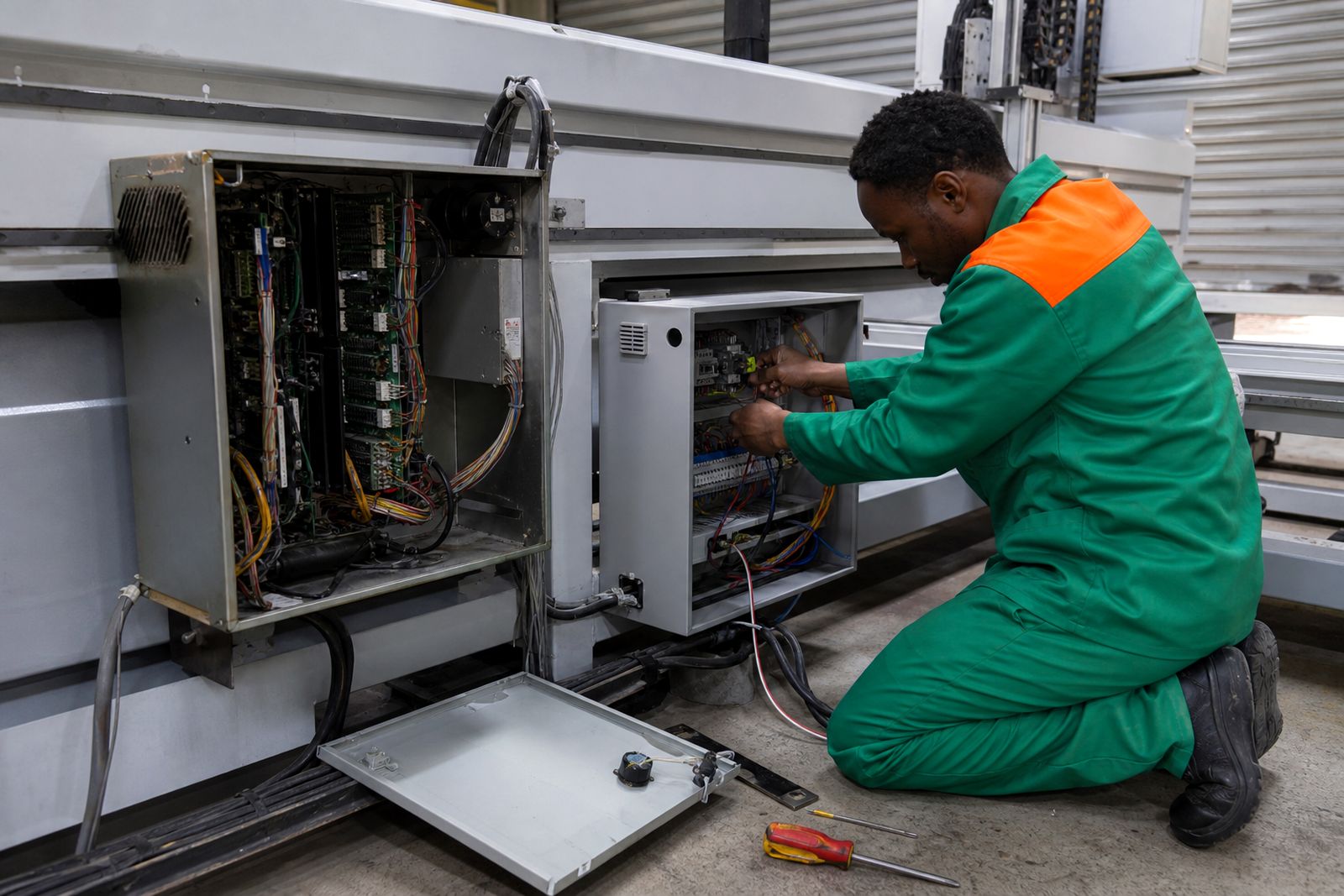
The technician arrives with test equipment, common service items and the job information supplied through our contact form. On site, the work normally covers fault tracing, checks on power and control circuits, inspection of moving assemblies, review of alarms, test running where safe, and a record of findings. If a part has failed, we identify the item and note the next step in the report.
- Fault-finding on electrical, control, motion and process issues
- On-site repair work where the fault can be resolved during the visit
- Assessment of worn or failed parts and likely follow-up work
- Basic machine condition notes that affect reliability or output
- Service report issued after attendance
From first message to site attendance
To log a breakdown, send the machine type, town, fault symptoms and any alarm text through our contact form. Photos of the control screen, damaged components, cut quality, printed output or the affected axis help a great deal. If the machine stopped after a power event, lightning, coolant leak or head strike, say so early because that changes the first checks.
Before travelling, we review the fault description, machine category and location. A Midrand job may only need one technician and standard test gear, while a coastal laser or a large router in another province may need specific spares, extraction checks or a second pair of hands. Where a machine has had repeat stoppages, we also look for a pattern rather than treating each shutdown as a separate incident.
- Client sends machine details, site address and fault notes
- We assess likely causes and what equipment the technician should carry
- Travel is scheduled from Midrand or the nearest field route
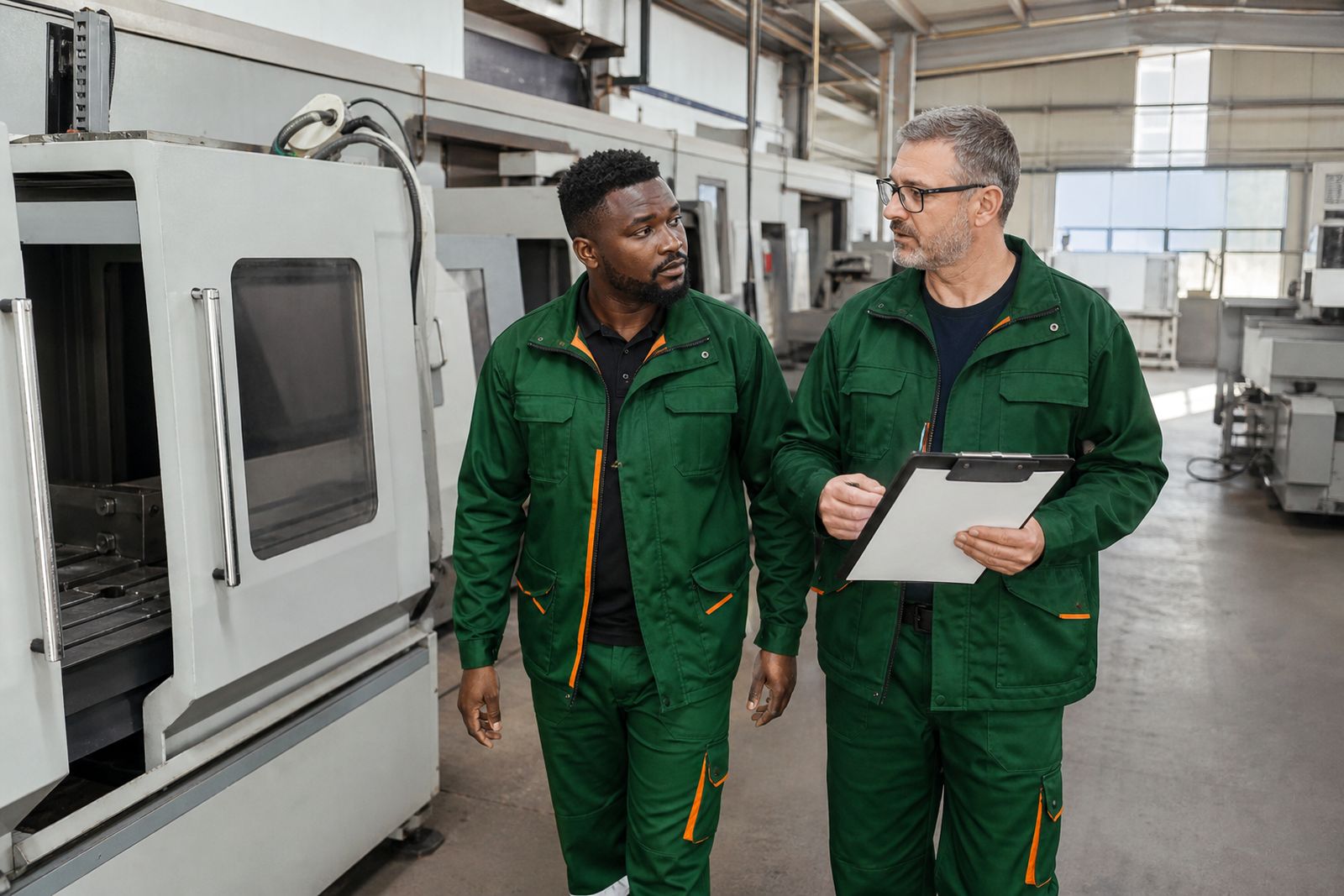
- On arrival, the technician confirms the complaint with the operator or maintenance lead
- Testing, repair attempts and reporting are completed on site where possible
What we check on the machine
Breakdowns do not all start in the same place, so the call-out follows the symptoms. On a CNC router that may mean spindle behaviour, drive alarms, vacuum issues or home position faults. On a CO2 or fibre laser it can mean beam delivery, chiller alarms, power instability, head crashes, assist gas faults or poor cut edge. Plotters, wide-format printers and vinyl cutters often point to carriage movement, media feed, sensor readings, cable wear or control communication.
For milling machines and other machine tools, the visit may include checks on lubrication, axis feedback, servo drives, limit switches, spindle control and guarding interlocks. Plasma systems are checked for torch height behaviour, ignition faults, consumable condition, gas supply issues and control faults. We work carefully around live electrical sections and moving assemblies, and test runs are only done once the machine is safe to move.
Not every fault is repaired in one visit. Some machines need a replacement drive, power supply, tube, control component, bearing set or cable chain before they can return to production. In those cases the call-out still has value because it isolates the real failure instead of leaving the site guessing.
What your team should prepare before we arrive
A smoother visit starts with access and accurate machine information. If the machine is in a busy production area, clear enough room for side panels, rear covers or gantry travel to be checked safely. Where there are site induction rules, PPE requirements or permit procedures, send those details with the job request so the technician arrives prepared.
- Machine make, model and machine type
- Physical site address and the contact person on the floor
- Alarm messages, photos and a short fault history
- Access to power isolators, control cabinets and service space around the machine
- Samples showing the defect, where output quality is part of the complaint
- Any spare parts already on site that may relate to the fault
If there has been recent electrical work at the premises, unstable mains supply, heavy dust, high coastal humidity or a collision on the machine, include that note. Small details often shorten the diagnostic path by quite a lot.
How call-out pricing is worked out
Call-out pricing depends on the travel route, time on site, machine category and whether the work remains diagnostic or moves into repair with parts. A breakdown in Midrand is priced differently from a visit that involves interprovincial travel, overnight planning or specialist test equipment. Larger laser and printer systems can also take longer to assess because several linked subsystems must be checked before the fault is pinned down.
In general terms, the charge is built from the call-out itself, travel, labour on site, and any parts fitted or ordered. Where the machine needs follow-up work after the first visit, the report sets out what was found and what the next stage will cover. If a repair is not economical, that is stated plainly. We stay independent, so the assessment is based on serviceability and downtime risk rather than pushing a replacement machine.
Clients with service contracts may have different travel and visit structures depending on their coverage, fleet size and locations.
Aftercare, reports and the next step
Every call-out ends with a written service report. That report records the complaint, work carried out, test results, parts used where applicable, and any remaining concerns that could affect production. It also helps maintenance teams track repeated alarms, ageing drives, cooling problems, cable failures or contamination inside enclosures.
Where the machine is running after the visit, the report may include operating notes and maintenance actions to reduce another stoppage. Where the machine still needs parts or a return visit, that is made visible in the report for production planning and internal approval. Many clients use this stage to decide whether a once-off repair is enough or whether the machine should move onto a service contract.
For sites with several machines in Gauteng, KwaZulu-Natal, the Western Cape, the Eastern Cape, the Free State and other provinces, we can also coordinate call-outs as part of a wider maintenance picture rather than treating each stop as an isolated event.
What our CNC Repair customers say
Verified Google reviews
Questions we get asked
Do you only work on machines bought from your team?
We are an independent service crew and work on many makes, including machines not originally installed by us.
Can a call-out include parts replacement?
Parts replacement can be done where the fault can be resolved on site and the correct part is available or already at the premises. If not, the technician records the failed item and the next repair step.
Is a service report included after the visit?
Every call-out includes a written service report covering the fault, checks performed, work carried out and any follow-up required.
Also worth a look
Tell us about the job
Send sizes, materials and where you are through our contact form, and we will come back with the practical options.
Open the contact form